The Problem with Dog Training & Boarding in Texas
Millions of Texas families trust facilities with their dogs. Too few of those facilities are held to any standard.
Dogs in Texas Deserve Better
In Texas, about 43% of homes have at least one dog. There are around 11-12 million households in the state, which means around 5 million families are living with a dog in their home. With an estimated 7-8 million pet dogs in the state, Texas is one of the top dog-owning states in the country.
Many of those dogs are rescues, and they come with behavioral challenges like fear, anxiety or aggression. These dogs need professional, loving care to flourish.
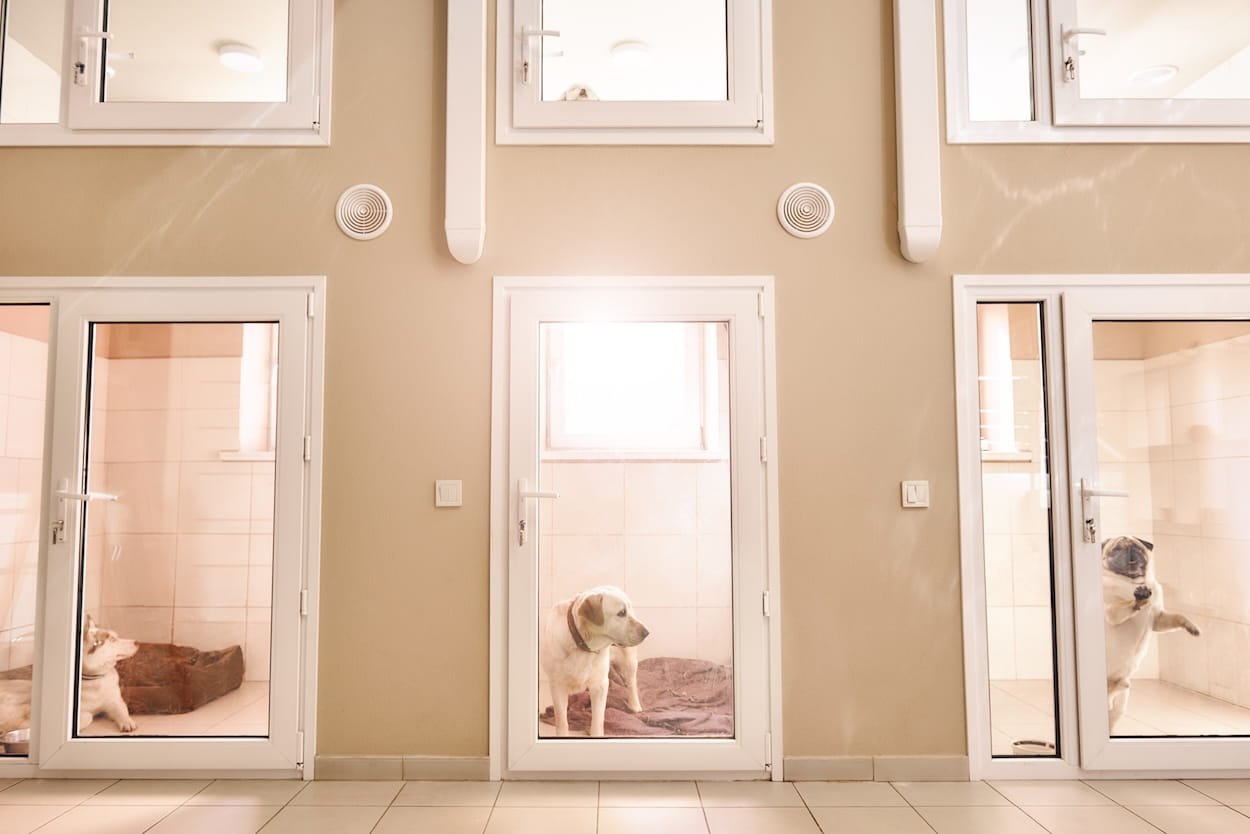
There are hundreds of boarding, daycare, and training facilities in Dallas-Fort Worth, Houston, Austin, and San Antonio, and thousands in all of Texas. There is no statewide licensing database, however, so the exact number is unknown. The quality of care can vary wildly without meaningful oversight. Some facilities are well. Others are dangerously underqualified. And families have almost no way of telling the difference until it’s too late.
43%
of Texas households own a dog
5 Million
dog-owning households
7-8 Million
pet dogs statewide
0
statewide licensing or inspection requirements

Remembering Poppy
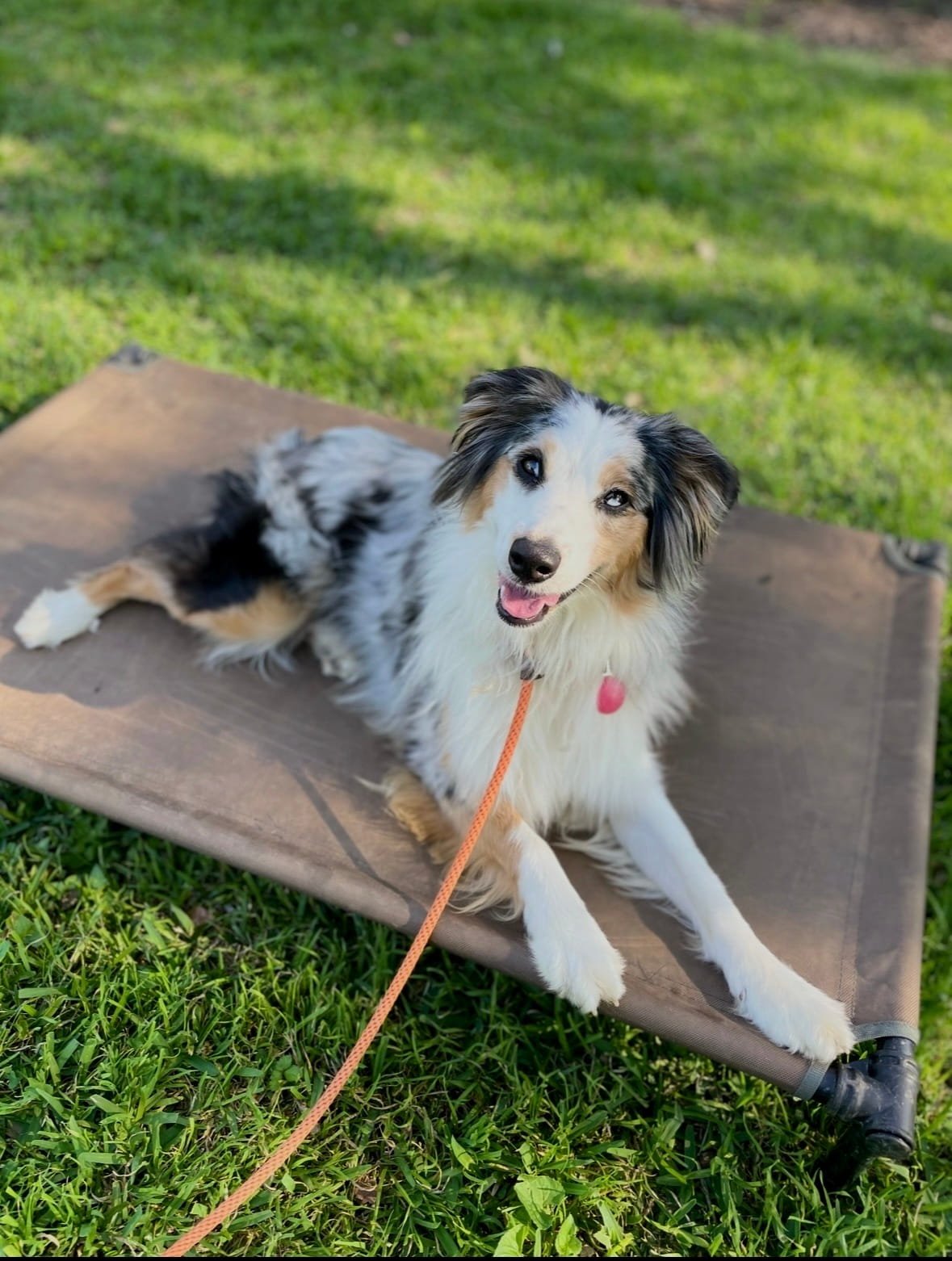
My name is Brooke, and I'm a Senior in high school in Plano, Texas. I've loved animals my whole life. I've had dogs and guinea pigs, and I do everything I can to learn how to take the best care of them.
In 2024, my family lost our dog. She was just one year old. We sent her to a boarding and training facility in Plano, Texas, because we wanted help with some aggression we'd noticed. The place had good references. Within 10 days, she was dead. We never got answers about what happened.
Where the System Fails
-

No Mandatory Safety Standards
Texas does not require dog training or boarding facilities to meet specific safety standards. There are no mandated staff-to-dog ratios, no required certifications for trainers, and no standardized protocols for handling aggressive or fearful dogs.
-
Insufficient Oversight and Inspections
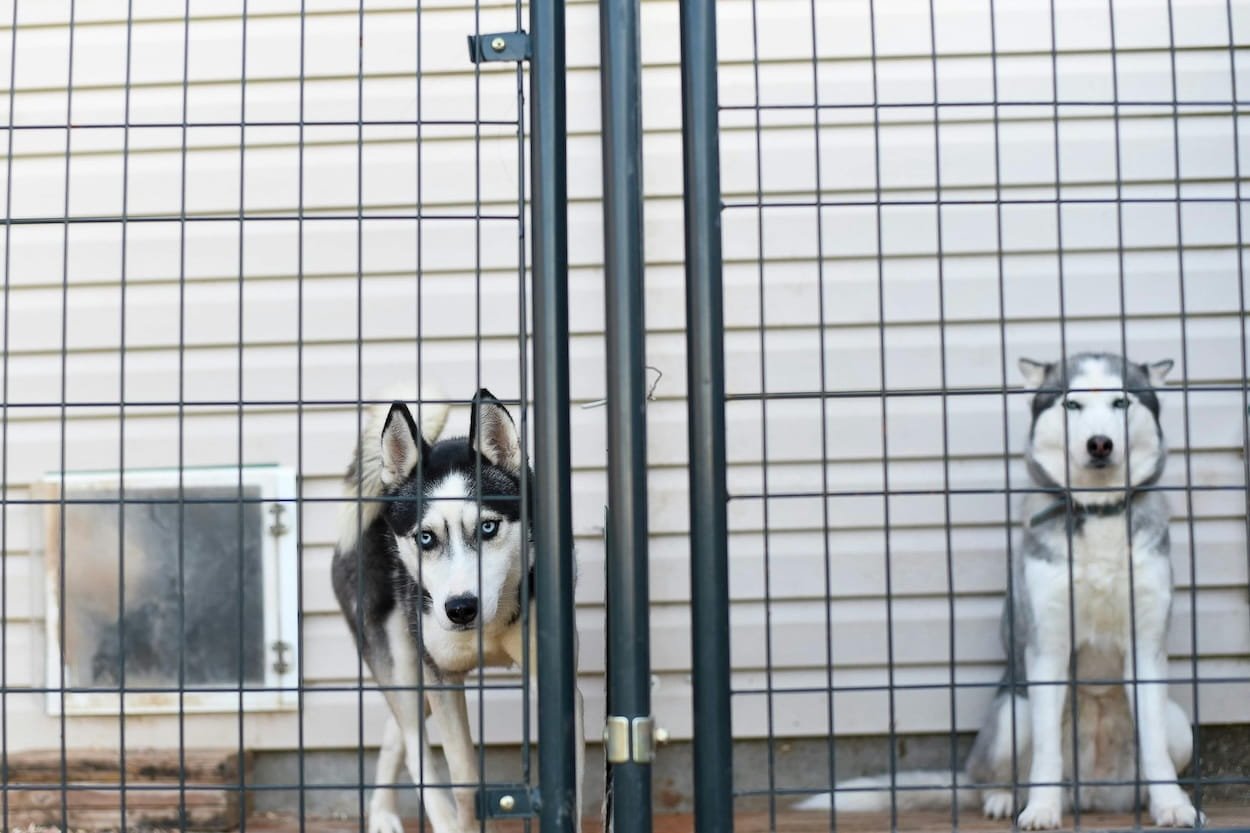
Even where rules exist, enforcement is thin. Inspections are infrequent, complaints are difficult to file, and there's no centralized system for tracking incidents across facilities.
-

Limited Accountability After Incidents
When a dog is injured or dies at a facility, families face significant barriers to holding that facility accountable. Legal protections for pet owners in these situations are limited, and many incidents go unreported entirely.
Real Consequences for Real Families
Behind every statistic is a family that trusted a facility with their pet. When that trust is broken, the consequences go beyond grief. Families are left with unanswered questions, no clear path to justice, and the devastating knowledge that it could have been prevented.
These are not isolated incidents. They're the predictable result of a system with almost no guardrails.

The Case for Stronger Protections
Increased accountability in dog training and boarding would lead to safer conditions for dogs, provide more peace of mind for families, and establish a higher standard for the entire industry. It would mean:
Trained, certified staff who know how to handle dogs safely.
Transparent communication between facilities and families.
Clear consequences for negligence or abuse.
A system that prevents harm instead of just responding to it.
This isn't about shutting down businesses. It's about creating a baseline that protects everyone: the dogs, the families, and the good facilities already doing the right thing.